Hedge Trimming in Tooting Bec: A Practical, Stylish Approach to Healthy Garden Boundaries
Why Hedge Trimming in Tooting Bec Matters
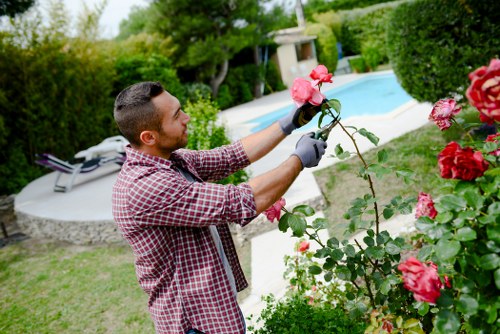
Hedge trimming in Tooting Bec is about much more than keeping a garden tidy. In a busy London neighbourhood where outdoor space is often precious, neat hedges can transform the look and feel of a property. A well-shaped hedge creates structure, adds privacy, supports wildlife, and helps a garden feel welcoming throughout the year. Whether you have a small front boundary hedge or a long rear garden screen, regular hedge trimming keeps everything looking sharp and manageable.
For many homeowners, hedge trimming in Tooting Bec also plays an important practical role. Overgrown hedges can block light, encroach on paths, and make a garden feel smaller than it really is. By keeping growth under control, you improve access, protect neighbouring spaces, and maintain a pleasant balance between greenery and openness. In a residential area like Tooting Bec, that balance matters, especially where properties sit close together and outdoor areas need to work hard.
Good hedge care is not just cosmetic; it is an essential part of responsible garden maintenance. Strong, healthy hedges tend to respond better to trimming, produce denser growth, and stay attractive for longer. That is why many people in the area look for regular hedge trimming in Tooting Bec as part of seasonal garden upkeep.
What Makes Hedge Trimming in Tooting Bec Unique?

Tooting Bec has a mix of traditional homes, modern developments, and compact urban gardens. This variety means hedge trimming in Tooting Bec often needs a tailored approach. A clipped formal hedge in a front garden may need crisp lines and precise shaping, while a natural boundary hedge may benefit from lighter, selective cutting that preserves its softer look. The right method depends on the hedge species, the garden layout, and the homeowner’s preferred style.
Local conditions also matter. Urban gardens can be affected by shade from nearby buildings, pollution, and limited airflow. These factors may influence how quickly hedges grow and how often they should be trimmed. Hedge trimming in Tooting Bec is therefore best handled with an understanding of both plant health and local surroundings. A skilled approach can help hedges cope better with their environment and continue to thrive.
There is also a strong design element. In an area where kerb appeal makes a noticeable difference, a cleanly trimmed hedge can elevate the whole exterior of a property. It can frame entrances, soften hard landscaping, and make pathways feel more orderly. When done well, hedge trimming in Tooting Bec is both horticultural care and visual design.
Benefits of Regular Hedge Trimming

Regular hedge trimming offers a wide range of advantages, especially in busy neighbourhoods where outdoor spaces are expected to stay neat and functional. One of the biggest benefits is that it encourages thicker, healthier growth. By cutting hedges at the right time and in the right way, you stimulate branching, which helps create a fuller and more attractive hedge over time.
Another benefit of hedge trimming in Tooting Bec is improved light access. Tall or wide hedges can cast unnecessary shade across lawns, patios, and windows. Trimming helps open up garden space and creates a brighter, more inviting environment. This is particularly valuable in London gardens, where every bit of natural light counts.
There are also practical gains for safety and accessibility. Overgrown hedges can narrow walkways, hide hazards, and create awkward corners. Regular hedge trimming in Tooting Bec keeps paths clear, makes entrances easier to use, and reduces the chance of branches interfering with fences, gutters, or public footpaths.
- Promotes denser, healthier growth
- Improves light and airflow
- Maintains privacy without excess bulk
- Reduces encroachment onto paths and boundaries
- Enhances the overall appearance of the property
Popular Hedge Types Found in Tooting Bec

Different hedges respond differently to trimming, so identifying the plant type is important. In Tooting Bec, common choices may include laurel, privet, yew, beech, hawthorn, and Leyland cypress. Each has its own growth habit, cutting tolerance, and ideal trimming schedule. Understanding these differences helps ensure hedge trimming is effective and supports long-term plant health.
For example, laurel hedges can grow quickly and become broad if left unchecked, so they often benefit from regular shaping. Privet hedges are classic boundary plants that respond well to repeated trimming and can be kept very tidy. Yew and beech, on the other hand, are popular for more formal or traditional garden settings and may need careful, measured cuts to preserve their structure.
When hedge trimming in Tooting Bec, it is also important to think about nesting birds and seasonal growth patterns. Some hedges are better trimmed outside peak nesting times, while others should be handled with extra care to avoid stress. A thoughtful trimming routine keeps hedges looking smart while respecting local wildlife and seasonal cycles.
Seasonal Hedge Trimming in Tooting Bec

Timing plays a major role in successful hedge trimming in Tooting Bec. Many hedges are best trimmed during the growing season to keep their shape controlled, while more formal hedges may need one or two additional cuts to maintain a crisp finish. Seasonal trimming not only improves appearance but also helps avoid cutting at the wrong moment, which can weaken plants or interrupt flowering.
Spring is often the time when growth starts to pick up, so light trimming can be useful for shaping and controlling early expansion. Summer trimming is common for many hedge types because it helps maintain form during the peak growing months. In autumn, some hedges may need a final tidy before winter sets in, though heavy cutting is often avoided late in the year if frost is expected.
Winter hedge trimming in Tooting Bec can be appropriate for certain species, especially when the hedge is dormant and the shape needs correcting. However, timing should always suit the plant. A careful seasonal schedule supports stronger regrowth and reduces the risk of damage. For homeowners unsure about timing, professional advice can be especially useful.
Typical seasonal approach
- Spring: Light shaping and early control
- Summer: Main trimming for many hedges
- Autumn: Final tidy and boundary control
- Winter: Selective work for suitable hedge types
How Professional Hedge Trimming in Tooting Bec Works
Professional hedge trimming in Tooting Bec usually begins with an assessment of the hedge’s condition, size, species, and intended shape. This first step matters because every hedge is different. A mature hedge with years of growth may need a careful reduction plan, while a younger hedge might only need light shaping to encourage the right form.
After assessment, the trimming approach is selected. Some hedges need hand pruning for detail and precision, while others can be cut with specialist equipment to achieve a straighter line. A professional service typically aims for balanced results, clean edges, and minimal stress to the plant. The goal is not only to cut growth back, but to improve the hedge’s overall structure.
Good hedge trimming in Tooting Bec also includes tidying up debris after the work is complete. Removing clippings helps the garden stay safe and attractive, prevents blocked drains or pathways, and leaves the property looking instantly improved. In a well-maintained garden, the finishing touches matter just as much as the trimming itself.
What a careful trimming process often includes
- Inspecting the hedge for health, damage, or uneven growth
- Choosing the correct trim level for the species
- Shaping the sides and top evenly
- Maintaining a natural taper so lower branches still receive light
- Clearing all cuttings and tidying the area
Signs Your Hedge Needs Trimming
It is not always obvious when hedge trimming is needed, especially if growth has been gradual. In Tooting Bec, a hedge may be due for trimming if it starts to look untidy, spreads beyond its intended boundary, or begins to block windows and walkways. One simple clue is when the outline of the hedge becomes uneven or the top starts to dominate the shape.
Another sign is reduced light in the garden or home. If a hedge has grown so tall or wide that it affects sunlight, it may be time for hedge trimming in Tooting Bec. You might also notice branches touching walls, fences, or railings, which can lead to wear and tear if left unchecked. Early trimming is usually easier than waiting until the hedge becomes heavily overgrown.
Some hedges also look sparse at the bottom when they are too wide at the top. This happens when the lower part is deprived of light. Regular trimming helps maintain a balanced shape that supports growth from top to bottom. If your hedge is starting to look leggy or patchy, trimming may restore a healthier form.
Common warning signs
- Branches spilling into paths or driveways
- Hedge height blocking windows or light
- Uneven or distorted outline
- Dead, damaged, or tangled sections
- Increased shade over lawns and planting beds
Hedge Trimming for Kerb Appeal and Property Value
First impressions matter, and hedge trimming in Tooting Bec can make a major difference to kerb appeal. A clean hedge instantly suggests that a property is cared for, organised, and welcoming. This is particularly important for front gardens, where visible boundaries play a big role in the appearance of the home.
Well-managed hedges can also complement the overall architecture of a property. Straight lines can suit contemporary homes, while softly shaped hedges may work better around classic or period-style façades. In either case, hedge trimming helps create a neat framework that supports the rest of the garden design. Even small improvements to hedge shape can have a surprisingly large visual impact.
For homeowners thinking about long-term presentation, regular hedge trimming in Tooting Bec is a sensible investment in outdoor appearance. It is one of the simplest ways to keep a property looking maintained without major landscaping work. Combined with lawn care, edging, and planting, a well-trimmed hedge contributes to a polished and attractive setting.
Wildlife-Friendly Hedge Trimming
Hedges are often valuable habitats for birds, insects, and small mammals, so hedge trimming in Tooting Bec should always be carried out with wildlife in mind. A thoughtful approach protects nesting birds, preserves shelter, and supports the biodiversity that hedges can offer in an urban area. This is especially important in gardens where hedges provide some of the best natural cover available.
Before trimming, it is sensible to check for active nests or signs of wildlife activity. If nesting birds are present, work should be delayed until it is safe and appropriate to continue. In many cases, lighter maintenance and careful timing can allow the hedge to remain both attractive and wildlife-friendly. Responsible trimming balances tidiness with ecological care.
Gardeners in Tooting Bec often appreciate that a healthy hedge can serve more than one purpose. It can screen a boundary, reduce noise, and provide shelter for birds while still looking neat. This makes regular hedge trimming especially important, because the right cuts help the hedge remain dense and useful without becoming unruly.
Wildlife considerations to keep in mind
- Check for nesting activity before trimming
- Avoid heavy disturbance during peak nesting periods
- Leave some cover where possible for habitat value
- Trim with care around berries, flowers, or active growth
Challenges of Overgrown Hedges
Once a hedge becomes overgrown, trimming becomes more complex. The shape may have drifted far beyond its original outline, lower branches may have thinned, and the hedge may require staged reductions rather than a single drastic cut. In Tooting Bec, where many gardens are close to fences and neighbouring properties, overgrown hedges can quickly create friction if they are left too long.
Overgrowth can also affect the hedge’s health. If too much growth is removed at once, the plant may struggle to recover, while leaving the hedge untouched for too long can reduce airflow and increase the risk of pests or disease. That is why hedge trimming in Tooting Bec should ideally be regular and measured. Consistent maintenance is usually easier and better for the hedge than occasional heavy work.
Sometimes, restoring an overgrown hedge requires patience. It may take more than one session to bring the hedge back into shape. This is particularly true for mature hedges that have been neglected for some time. A gradual approach, combined with correct aftercare, often delivers the best result.
Tips for Keeping Hedges Healthy Between Trims
Hedge trimming in Tooting Bec is only one part of good hedge care. Healthy growth also depends on proper watering, feeding, soil care, and general maintenance. Even a perfectly trimmed hedge can look tired if the plant is stressed, dry, or lacking nutrients. A little ongoing care makes a noticeable difference.
Mulching around the base of the hedge can help conserve moisture and improve soil quality. Watering during dry spells is also useful, especially for newer hedges that have not fully established deep roots. In some cases, feeding with a suitable plant fertiliser can support stronger regrowth after trimming. Healthy hedges recover better and keep their shape for longer.
It is also wise to inspect hedges regularly for signs of pests, disease, or storm damage. Catching issues early makes them easier to deal with and reduces the need for heavier corrective trimming later on. A steady maintenance routine keeps hedge trimming in Tooting Bec effective and efficient.
Simple maintenance habits
- Water during dry weather
- Mulch to protect roots and retain moisture
- Check for dead or damaged branches
- Trim lightly and regularly instead of waiting too long
- Keep the hedge base clear of weeds and debris
Why Local Knowledge Helps
Choosing hedge trimming in Tooting Bec with local knowledge can make a meaningful difference to the result. A service that understands London gardens, space limitations, and common hedge varieties is better placed to deliver neat, suitable, and long-lasting work. Local familiarity also helps with timing, access, and the practical realities of working in a residential neighbourhood.
Local experience is especially useful when hedges sit near boundaries, shared spaces, or public-facing areas. Trimming needs to be accurate and respectful of surrounding property. A good approach keeps the hedge in shape without causing unnecessary disruption. This is why precision matters as much as speed.
In Tooting Bec, where many people value attractive, manageable outdoor spaces, local hedge trimming can support both function and style. It helps homeowners keep gardens under control while making the most of every square metre available. Whether the aim is privacy, presentation, or plant health, the right trimming approach provides a solid foundation.
Choosing the Right Hedge Trimming Approach
There is no single method that suits every hedge. Hedge trimming in Tooting Bec should always reflect the hedge’s species, age, purpose, and current condition. A decorative box hedge, for example, needs a much more exact finish than a relaxed mixed boundary hedge. Likewise, a fast-growing privacy hedge may need frequent attention to stay manageable.
Some homeowners prefer a sharper, formal appearance, while others want a softer, natural shape. Both can work well when the trimming is done with care. The key is consistency. Regular hedge trimming supports the chosen style and prevents the hedge from drifting away from its intended look. When the shape is maintained, the whole garden feels more intentional.
If you are unsure which method is best, it helps to focus on three questions: how the hedge is used, how quickly it grows, and how formal you want the finished look to be. From there, a suitable trimming pattern usually becomes much clearer.
Questions worth asking before trimming
- Is the hedge mainly for privacy, decoration, or boundary control?
- How fast does this hedge normally grow?
- Do I want a strict formal shape or a softer finish?
- Has the hedge become overgrown or just slightly untidy?
Book Hedge Trimming in Tooting Bec for a Better Garden
Hedge trimming in Tooting Bec is one of the most effective ways to keep a garden looking cared for, healthy, and easy to enjoy. It improves structure, supports growth, increases light, and helps your property make a strong first impression. With the right timing and technique, hedges can remain attractive throughout the year while continuing to provide the privacy and green structure that so many gardens need.
Whether your hedge is tall, narrow, dense, or in need of reshaping, regular maintenance will make life easier in the long run. A tidy hedge is not only pleasant to look at; it also contributes to the comfort, safety, and usability of the whole outdoor space. For homeowners who want lasting results, hedge trimming is a smart and practical priority.
If your hedge is starting to look unruly or you want to improve the appearance of your garden, now is the right time to act. Contact us today to discuss hedge trimming in Tooting Bec, or book your service now to keep your garden neat, healthy, and beautifully maintained.