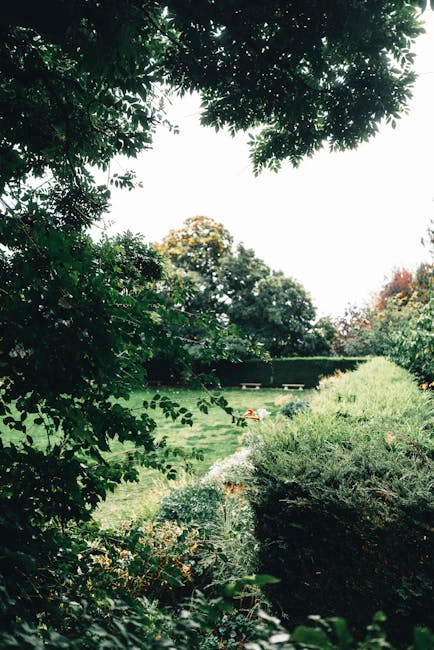
Tooting Bec Common garden maintenance by local gardeners: a practical guide to keeping your outdoor space healthy, tidy, and usable
If you live near Tooting Bec Common, you already know how quickly a garden can change character from one week to the next. A windy spell, a burst of rain, a few missed weeds, and suddenly the whole place feels a bit neglected. That is where Tooting Bec Common garden maintenance by local gardeners makes a real difference. It is not just about making things look neat for a weekend; it is about consistent care that suits local conditions, local planting choices, and the everyday way people actually use their gardens.
In this guide, we will look at what proper garden maintenance involves, how local gardeners usually approach it, what benefits you can expect, and which mistakes are worth avoiding. We will also cover practical tools, best practice, compliance, and a few real-world examples so you can judge whether you need a one-off tidy-up or an ongoing maintenance plan. Nothing too fancy. Just the useful stuff, the kind that saves time and prevents headaches later.
Table of Contents
- Why Tooting Bec Common garden maintenance by local gardeners Matters
- How Tooting Bec Common garden maintenance by local gardeners Works
- Key Benefits and Practical Advantages
- Who This Is For and When It Makes Sense
- Step-by-Step Guidance
- Expert Tips for Better Results
- Common Mistakes to Avoid
- Tools, Resources and Recommendations
- Law, Compliance, Standards, or Best Practice
- Options, Methods, or Comparison Table
- Case Study or Real-World Example
- Practical Checklist
- Conclusion
- Frequently Asked Questions
Why Tooting Bec Common garden maintenance by local gardeners Matters
Tooting Bec Common sits within a busy part of South West London, and gardens in this kind of setting often need more than occasional attention. You may have compact plots, mature planting, shaded corners, heavy foot traffic from children or pets, or simply not enough time to keep on top of everything. A garden can become tired surprisingly fast. Weeds creep in, hedges lose shape, lawns thin out, and patios pick up moss and grime before you have even noticed.
Local gardeners bring something valuable here: familiarity. They tend to understand the pace of the seasons in London, the mix of soil conditions that show up in urban gardens, and the pressure that weather places on small and medium-sized outdoor spaces. That practical awareness matters because a garden near Tooting Bec Common is not a show garden on a blank canvas. It is a lived-in space with weather exposure, shading from neighbouring properties, limited access, and real-life habits built around it.
There is also a local quality issue. A well-maintained garden often feels larger, calmer, and more usable. It smells better after rain, drains better when the weather turns, and simply becomes somewhere you want to spend time. That can be the difference between a garden you avoid and one you enjoy on an ordinary Tuesday evening with a cup of tea. Simple, but true.
If you are trying to revive a neglected plot, it may help to read the ultimate strategy for a forgotten garden revival alongside this guide, because maintenance and recovery are closely linked. One keeps things moving forward; the other resets the baseline.
How Tooting Bec Common garden maintenance by local gardeners Works
Good maintenance is usually a process, not a single job. A local gardener will normally start by assessing the garden as it is, not as you hope it looks in six months. That means checking the lawn, borders, hedges, hard surfaces, drainage, access points, and any problem plants such as ivy or invasive climbers. Then they shape the work around priorities. What needs doing now? What can wait? What will get worse if ignored?
In practice, garden maintenance often includes mowing, edging, pruning, deadheading, weed control, leaf clearance, hedge trimming, border tidying, seasonal planting, feeding, mulching, and checks for plant stress or disease. Some jobs are light and frequent. Others are seasonal. For example, lawns benefit from regular care in the growing season, while certain shrubs need more careful pruning at the right time of year rather than a quick cut whenever the place looks untidy.
Local gardeners also tend to work around how you use the space. A family garden near Tooting Bec Common may need safe clear paths, softer planting, and a lawn that can handle regular use. A quieter garden might prioritise shape, structure, and low-maintenance planting. If you want a more relaxing feel, ideas from zen garden plans can be adapted into real maintenance decisions too, such as simpler planting, cleaner edges, and fewer cluttered areas.
And yes, the weather matters more than people expect. Wind, rain, and sudden temperature swings all affect plants, soil, and surfaces. That is why a sensible maintenance plan often borrows from practical advice on defensive measures for your garden against weather and even how to minimise wind stress on your garden. A local gardener is not just reacting to what is visible today; they are preventing the next round of problems.
Key Benefits and Practical Advantages
The obvious benefit is appearance. A tidy garden looks cared for. But honestly, that is only the beginning.
- Healthier plants: Regular maintenance means problems are spotted earlier, when they are easier to fix.
- Better structure: Hedges, lawns, paths, and borders remain balanced rather than becoming a jumble.
- Less long-term cost: Catching weeds, ivy, or turf decline early usually costs less than dealing with a full repair job later.
- Safer outdoor areas: Slippery patios, overgrown paths, and unstable edges can become hazards if left too long.
- More usable space: You can actually sit out, play, entertain, or grow herbs without first battling the garden into submission.
There is also a quieter advantage: consistency. A garden that is maintained regularly tends to feel easier to live with. It does not suddenly demand a whole weekend of effort just to make it usable. That matters if you are juggling work, family, travel, or, to be fair, just the general busyness of life in London.
Local gardeners can also help you make the space more efficient. For example, ground cover plants can reduce weeding and visual clutter, and the right planting choices can lighten future maintenance. If that sounds useful, take a look at these UK garden ground cover ideas and affordable easy-care garden approaches. Both are sensible companions to ongoing care.
Expert summary: the best garden maintenance is not the most dramatic kind. It is the kind that quietly prevents problems, supports healthy growth, and keeps the whole garden ready for use without a big seasonal rescue mission.
Who This Is For and When It Makes Sense
This service makes sense for all sorts of people, not just homeowners with large gardens. In our experience, the need is often strongest among people who want the garden to be useful, not perfect.
- Busy homeowners: If you do not have time for weekly mowing, pruning, and weeding, a local gardener can keep things under control.
- Landlords and property managers: A tidy exterior helps with presentation and avoids complaints from tenants or neighbours.
- Families: When children use the garden, safety and clear access matter. Overgrown corners and loose debris are best dealt with quickly.
- Pet owners: Some planting and layout choices work better with dogs. Others do not. A good gardener can help shape the space around real use.
- Older homeowners: Heavy lifting, ladders, and repetitive tasks can become less practical, and a regular service brings welcome relief.
- Anyone reviving a tired plot: If the garden has become patchy, weedy, or overgrown, maintenance usually needs to start with a clear plan.
It also makes sense when you are planning a change in how the garden works. Maybe you want a small herb area, a more child-friendly layout, or a calmer seating spot. In those cases, maintenance and design overlap. Articles such as sowing success for a herb garden, crafting spaces of comfort with garden seating, and designing a joyful garden for kids show how maintenance can support a bigger plan rather than sitting separately from it.
Truth be told, many people only realise they need local gardeners when the work becomes too fragmented to handle alone. A hedge here, a fence panel there, a patch of lawn that never quite recovers. That is usually the point where a professional, local eye is worth having.
Step-by-Step Guidance
If you are thinking about arranging Tooting Bec Common garden maintenance by local gardeners, this is the practical sequence we would suggest.
- Walk the garden slowly. Look at it after rain if possible. You will spot drainage issues, patchy grass, and areas where weeds enjoy themselves a bit too much.
- List the priorities. Split them into urgent, seasonal, and cosmetic tasks. Urgent might mean unsafe branches or blocked access. Cosmetic might mean edging or border shaping.
- Decide on the service frequency. Weekly, fortnightly, monthly, or seasonal visits each suit different gardens. A neat, compact garden may need less. A fast-growing one may need more.
- Ask for a maintenance plan. A good plan should explain what gets done, when, and why. It should not be vague. Vague is where problems breed.
- Match the plan to the garden's use. If people sit out often, hard surfaces and seating areas need more attention. If the garden is mostly decorative, border structure may matter more.
- Review after the first few visits. Gardens change. A plan should be adjusted, not treated like a tablet from on high.
One useful habit is to photograph the garden at the start of each season. It sounds small, but it helps you judge progress properly. A garden can feel messy on a grey morning and look completely different by late afternoon. Photos remove a lot of guesswork.
If ivy is taking over fences, walls, or shaded corners, that deserves separate attention. It is one of those jobs that looks manageable until it is not. The guide on how to rid your garden of ivy effectively is well worth reading if that sounds familiar.
Expert Tips for Better Results
A few small decisions can improve results quite a lot. Not dramatically. But enough that you notice the difference every time you step outside.
- Keep edging sharp: A clean lawn edge makes the whole garden look more finished, even when the planting is simple.
- Mulch at the right time: Mulching helps suppress weeds and hold moisture, but it works best when the soil is already prepared.
- Don't overcut hedges: Heavy trimming all at once can leave gaps and stress plants. A gentler, regular approach is usually better.
- Use the right plants for the light: Shade-tolerant plants in darker spots, sun lovers where conditions suit them. Common sense, but it is often skipped.
- Combine maintenance with improvement: Every tidy-up is a chance to make one small change that lowers future work.
For example, if a border is always weedy, a local gardener might suggest dense ground cover or a structural planting change rather than simply removing weeds again and again. If a corner feels bare and gloomy, evergreen climbers can create privacy and interest. See evergreen climbers for dark spaces for ideas that work well in London gardens.
Another tip: do not ignore seating and hard landscaping. A garden bench, paved area, or deck can change how maintenance should be prioritised. The space around these features needs regular care too. If you are refining that part of the garden, zen garden concepts and container gardening ideas can help you think about the balance between structure and planting.
And here is a small but real one: do not try to do everything in one go after a long pause. People start strong, get tired halfway through, and then the garden looks even more chaotic. Better to work in stages. Much better.
Common Mistakes to Avoid
Maintenance mistakes are usually practical, not dramatic. They often happen because a job looks quick or because the garden has been left alone too long. Here are the ones we see most often.
- Cutting too much at once: Heavy pruning can weaken shrubs and leave them looking bare for months.
- Ignoring drainage: If water sits in one area after rain, mowing and planting alone will not solve it.
- Letting weeds set seed: One missed weed can become next season's bigger job. Annoying, but true.
- Using the wrong mower height: Too short, and the lawn dries out or thins. Too high, and it can start looking shaggy quickly.
- Overcomplicating the planting plan: More plants do not always mean more beauty. Sometimes it just means more maintenance.
- Forgetting access and safety: Overgrown paths, cluttered areas, and hidden edges cause trouble during routine work.
There is also a trust mistake: choosing a service only by price and not by what is included. A cheaper visit can look fine for a week, but if it does not include the things that actually need doing, the garden soon returns to its old habits. That is why clear service descriptions matter. You can compare service scope with garden maintenance services, lawn care, and hedge trimming if you are working out what needs to be included.
A slightly humorous truth: gardens are very good at punishing procrastination. They do not shout. They just gradually become louder in other ways.
Tools, Resources and Recommendations
Local gardeners usually bring their own tools, but it still helps to know what good maintenance depends on. A strong toolkit makes routine work quicker and neater, and it reduces strain too.
Useful tools for routine garden care
- Sharp secateurs for light pruning and deadheading
- Hedge trimmers for shaping and reducing overgrowth
- Reliable mower with adjustable cutting height
- Edging tools for clean lawn borders
- Spade and fork for soil preparation and border work
- Stiff broom or blower for patios and paths
- Gloves, eye protection, and sturdy footwear
If you want a broader view of what experienced gardeners tend to use, best tools for the motivated gardening aficionado is a useful companion read. It helps separate the essentials from the nice-to-haves, which can save a fair bit of spending.
For specific garden problems, there are also some focused guides worth noting. If weeds are your main frustration, try simple weed control tips. If the soil looks tired or compacted, soil restoration through organic waste is a sensible place to start. And if winter has left everything looking flat, nurturing your garden during winter's dormancy can help you plan the recovery phase properly.
As a practical recommendation, keep a simple garden note. Not a complicated system. Just a few lines about what was done, what looked weak, and what needs checking next time. Old-fashioned? Maybe. Useful? Absolutely.
Law, Compliance, Standards, or Best Practice
For most domestic gardens, the main compliance question is not about paperwork every time work is carried out. It is about safe, responsible practice. That includes safe tool use, respect for property boundaries, sensible waste handling, and care around trees, fences, and surfaces. If a gardener is working near a wall, a boundary fence, or overhead growth, they should assess the risk before starting. No drama, just good practice.
Where tree work is involved, caution matters even more. Not every overgrown branch needs major surgery, but some situations do require a trained eye, especially if a tree is large, unstable, or close to a structure. In those cases, it is sensible to look at tree surgery services rather than treating it as a standard tidy-up.
Insurance and safety are also worth checking. Responsible providers should be able to talk plainly about how they manage risks, what happens on site, and how they protect both people and property. You can review the general approach in insurance and safety and the related health and safety policy. If you are comparing providers, this should not be treated as optional detail. It is part of the job.
There are also normal standards of trade conduct: clear pricing, reasonable communication, and a proper complaints route if something is not right. That is simply what a professional service should offer. For extra transparency, it helps to check pricing and quotes, terms and conditions, and complaints procedure. These pages do not just tick a box; they show how the service is run.
Options, Methods, or Comparison Table
People often ask whether they need a one-off tidy-up, a regular maintenance visit, or a more complete gardening service. The answer depends on how the garden is used and how quickly it changes. Here is a simple comparison.
| Option | Best for | What it usually includes | Main advantage | Watch out for |
|---|---|---|---|---|
| One-off tidy-up | Neglected gardens or pre-event preparation | Clearing, mowing, weeding, basic pruning, surface clean-up | Fast visible improvement | Problems may return if not followed by regular care |
| Regular maintenance | Most domestic gardens | Routine mowing, edging, hedge care, border tidying, seasonal checks | Steady control and healthier growth | Needs clear scope so no jobs are missed |
| Full garden service | Busy households, larger plots, or gardens with multiple issues | Maintenance plus planting help, improvements, and occasional repair work | More joined-up results | Can be more costly if priorities are not defined |
| Seasonal reset | Gardens that only need strong spring or autumn attention | Leaf clearance, pruning, mulching, re-edging, lawn recovery | Good for lower-maintenance spaces | Not ideal if the garden grows quickly in summer |
If your garden includes patios or timber features, the maintenance picture changes a little. Surfaces and structures need their own attention, not just the planting. That may mean patio cleaning, decking services, or even fencing work if boundaries are part of the problem. A tidy border is great. A broken panel beside it is not, obviously.
Case Study or Real-World Example
Here is a realistic example based on the sort of work local gardeners often handle. A household near Tooting Bec Common had a back garden that looked fine from the kitchen but felt awkward to use. The lawn had become patchy in one corner, weeds were spreading through the borders, a hedge was leaning into the path, and the patio had picked up enough grime to make it look dull even on sunny days.
The first visit focused on basics: clearance, edging, hedge trimming, and surface cleaning. Nothing dramatic. The second visit dealt with the lawn, border structure, and the worst weeds. After that, the gardener suggested a low-maintenance planting strip and a small seating area so the garden had a real purpose rather than just being an outdoor leftover space.
Within a couple of visits, the change was less about fancy planting and more about usability. The path felt wider. The lawn looked intentional. The seating area became somewhere people actually sat. That is the thing many people miss: maintenance is often the bridge between a garden that exists and a garden that gets used.
If the household had wanted a more child-friendly layout, the strategy would likely have changed again, with safer planting, more open circulation, and clearer sight lines. The same goes for dog owners or people wanting a very calm, structured feel. Gardens are personal. The maintenance should be too.
Practical Checklist
Use this simple checklist before booking or planning garden maintenance.
- Walk the garden and note the top three problem areas
- Decide whether you need one-off help or regular visits
- Check if the lawn needs mowing, feeding, scarifying, or repair
- Identify hedges, shrubs, or climbers needing shaping
- Look for ivy, invasive growth, or weeds setting seed
- Inspect patios, paths, decking, and fencing for wear
- Think about how the space is used by children, pets, or guests
- Ask what is included in the service and what is extra
- Confirm how waste removal is handled
- Review safety, insurance, and communication expectations
Quick reminder: the best time to sort a garden issue is usually before it becomes obvious to everyone else.
Conclusion
Tooting Bec Common garden maintenance by local gardeners is about more than tidy lawns and clipped hedges. It is about keeping a real, living space healthy, practical, and easy to enjoy through the seasons. Local knowledge helps because London gardens have their own rhythm: shade in one corner, wind exposure in another, fast growth after rain, and the usual pressure of busy daily life.
If you want a garden that feels calm instead of demanding, consistent maintenance is one of the simplest and most reliable ways to get there. Start with the basics, choose the right level of support, and build from there. That approach tends to work better than grand plans that never quite happen. And let's face it, most gardens respond beautifully to steady care.
Get a free quote today and see how much you can save.
When the work is handled well, the garden stops being a chore and starts feeling like part of the home again. That is a good shift. A very good one.
Frequently Asked Questions
What does Tooting Bec Common garden maintenance by local gardeners usually include?
It usually includes mowing, edging, weeding, hedge trimming, pruning, border tidying, leaf clearance, and general seasonal upkeep. Some services also cover patio cleaning, planting, or light landscaping. The exact scope depends on the garden and the plan you agree.
How often should a garden near Tooting Bec Common be maintained?
That depends on how fast the garden grows and how you use it. Many domestic gardens benefit from fortnightly or monthly visits in the growing season, with extra work in spring and autumn. Fast-growing hedges or high-use lawns may need more regular attention.
Is a one-off tidy-up enough for an overgrown garden?
Sometimes it is enough to get the garden back under control, but if the space has been neglected for a while, follow-up visits are usually needed. A single tidy-up can reveal what the garden really needs, which is often more than just a quick cut.
Can local gardeners help with lawn care as well as general maintenance?
Yes. A good local gardener can often provide lawn care alongside wider maintenance. That may include mowing, edging, feeding, scarifying, overseeding, or patch repair. If the lawn is the main issue, it is worth asking for a specific lawn-focused plan.
Do I need hedge trimming separately from general garden maintenance?
Not always. Some maintenance visits include hedge work, while others treat it as a separate task, especially if the hedge is large or needs careful shaping. It is best to check exactly what is included before booking.
What should I ask before hiring a gardener locally?
Ask what is included, how often visits are recommended, whether waste is removed, whether the gardener is insured, and how they handle access or safety concerns. Clear answers at the start save a lot of confusion later.
Are local gardeners useful for gardens with children or pets?
Very much so. They can help shape safer layouts, keep access clear, and suggest planting or maintenance choices that suit family use. If you need more ideas, the guides on child-friendly landscaping and garden designs for dog owners are useful starting points.
How do I know if my garden needs maintenance or landscaping?
If the garden is basically sound but just needs regular care, maintenance is probably enough. If you need layout changes, new surfaces, new boundaries, or a major rework, landscaping is more likely. The two often overlap a bit, though, so a local gardener can help you judge.
Is garden maintenance safe in windy or wet weather?
It can be, but it depends on the task. Heavy pruning, ladder work, and surface clearing are not always suitable in poor conditions. Responsible gardeners will adjust the schedule and work method when weather makes a job unsafe or ineffective.
Can garden maintenance improve property appearance quickly?
Yes, often quite quickly. Clear edges, a cut lawn, tidy borders, and clean paths can transform the feel of a property in a short time. That does not fix every issue, but it makes a strong first impression and creates a better baseline for future care.
What if I only want help with certain jobs?
That is completely normal. Some people only need hedge trimming, lawn mowing, patio cleaning, or seasonal pruning. Others want full maintenance. A good local service should be able to tailor the work to the jobs you actually need, not push a one-size-fits-all plan.
How do I book a local gardener for Tooting Bec Common?
The simplest next step is to explain the condition of the garden, mention any specific issues, and ask for a clear quote or visit. If you want to start the conversation, use the contact page and describe the work as plainly as you can. A few photos help too, if you have them.