Real cost to hire gardeners in Tooting Bec explained
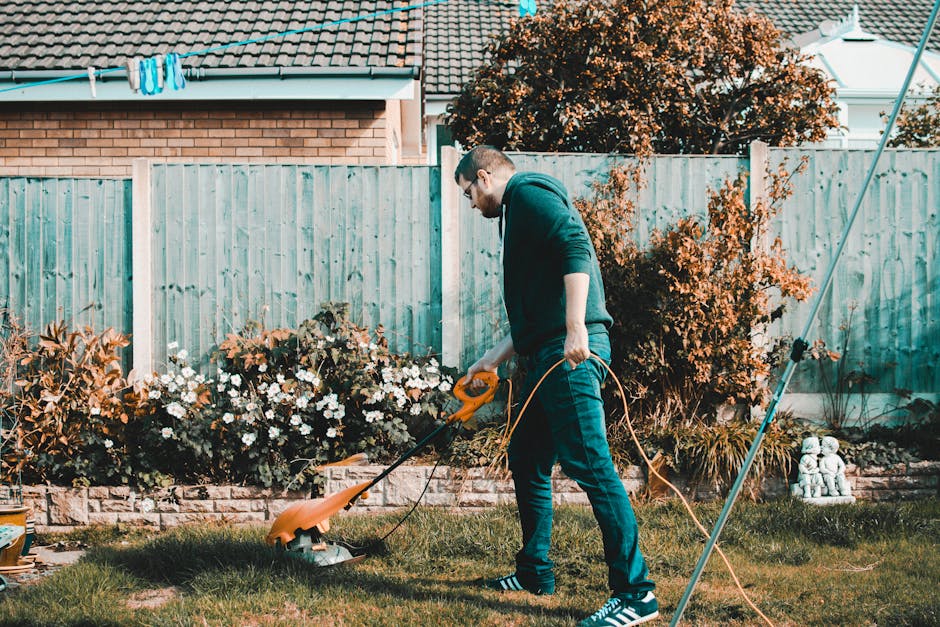
If you have ever looked at an overgrown border, a patchy lawn, or a hedge that has clearly had a good year without much help, you will know the feeling: how much is this actually going to cost? That is exactly what this guide sets out to answer. The real cost to hire gardeners in Tooting Bec explained is not just about an hourly rate; it is about the size of the job, the condition of the garden, access, waste removal, specialist skills, and how often you need help.
To be fair, gardening costs can feel a bit opaque at first. One quote looks low, another looks high, and both may be perfectly sensible. This article breaks it down in a clear, local, no-nonsense way so you can budget properly, compare quotes intelligently, and avoid paying for more than you need.
- Why it matters
- How pricing works
- Benefits of hiring a gardener
- Who it is for
- How to plan your job
- Expert tips
- Mistakes to avoid
- Tools and resources
- Compliance and best practice
- Options comparison
- Real-world example
- Checklist
- Conclusion
- FAQs
Why Real cost to hire gardeners in Tooting Bec explained Matters
Garden work is one of those services where the cheapest number rarely tells the whole story. A tidy front garden in Tooting Bec might only need a quick visit, while a back garden with dense growth, debris, and broken edging can turn into a half-day project before you know it. Understanding the real cost helps you make a calmer decision, and frankly, it stops the classic "I thought it would be much less" moment.
It also matters because garden care is not one-size-fits-all. A regular maintenance visit is priced very differently from one-off clearance, hedge work, lawn restoration, or more technical jobs such as tree work or landscaping. A fair quote usually reflects time, labour, equipment, waste handling, and the complexity of the job. If you only compare the headline price, you may miss what is actually included.
In a place like Tooting Bec, where many gardens are compact but often tricky to access, even small jobs can take longer than they look from the kitchen window. Side access, narrow passages, basement steps, shared pathways, and parking all nudge the cost one way or another. Nothing dramatic. Just the sort of real-world detail that makes a difference.
Expert summary: the real cost is usually driven by labour time first, then waste removal, access, and whether the work is routine maintenance or specialist garden labour. That is the simple version, and it is a useful starting point.
How Real cost to hire gardeners in Tooting Bec explained Works
Most gardeners price work in one of three ways: by the hour, by the visit, or as a fixed quote for a defined job. Each model has its place, and each can be fair if you understand what you are paying for.
1. Hourly pricing
This suits jobs where the scope is uncertain, such as an overgrown garden that needs assessing on site. Hourly pricing is often best when there are surprises hiding under the ivy, because let's face it, there usually are. The final cost depends on how long the work takes and whether more than one gardener is needed.
2. Fixed-price visits
Routine work like lawn mowing, hedge trimming, or scheduled garden maintenance is often easier to price as a set visit. This gives you predictability. If your garden is in regular shape, fixed visits can be the most convenient and economical option over time.
3. Project quotes
For larger jobs, especially garden clearance or more involved landscape gardening work, a quote based on the full scope is usually the sensible route. This may include labour, materials, waste disposal, and completion time. If a gardener can see the site first, even better, because estimates become much more reliable.
There is also a practical difference between "garden work" and "garden care". A simple mow and edge job is not the same as digging out a border, cutting back shrubs, bagging waste, and tidying the whole space. That distinction is where many pricing misunderstandings start.
Key Benefits and Practical Advantages
Hiring a gardener is not only about saving time, although that is usually the first reason people do it. The benefits are broader, and in some gardens, they are more noticeable than the cost itself.
- Consistent presentation: Regular care keeps the garden from slipping into that "I'll do it next weekend" spiral.
- Better plant health: Proper pruning, feeding, and seasonal timing can keep shrubs, borders, and lawns healthier.
- Safer outdoor spaces: Clearing slippery surfaces, overhanging growth, and clutter reduces trip hazards.
- Less equipment hassle: No need to store, maintain, or drag out multiple tools for one job.
- Smarter use of time: A skilled gardener can often complete in two hours what takes a homeowner most of a Saturday.
There is also a quiet benefit people often overlook: a maintained garden changes how the whole home feels. Morning light on a neat lawn, a clear patio after rain, the smell of fresh cut grass in spring, that sort of thing. Small thing, but it lifts the place.
If you want to understand service quality as well as cost, it can help to look at the broader range of gardening services available, rather than assuming every job is just "a bit of weeding".
Who This Is For and When It Makes Sense
The real cost to hire gardeners in Tooting Bec explained is useful for homeowners, landlords, tenants with garden responsibilities, property managers, and anyone preparing a garden for sale, letting, or a family event. If you only need a once-off tidy before guests arrive, your needs are very different from someone who wants monthly upkeep.
It makes the most sense to hire help when one of these is true:
- You are short on time or mobility means the work is becoming difficult.
- The garden has gotten away from you and feels too big to tackle alone.
- You need specialist help with hedges, lawns, trees, patios, or structural outdoor features.
- You want a garden maintained regularly, not just rescued occasionally.
- You are balancing cost against the risk of doing the wrong thing and damaging plants, paving, or fences.
People often ask whether they should wait until everything is completely overgrown before booking. Usually, no. A smaller job is easier, quicker, and cheaper. Obvious, yes, but in real life we all let things slide now and then.
Step-by-Step Guidance
If you want a sensible price and a good result, do not start with the quote. Start with the job. That is the best way to avoid confusion.
- Walk the garden slowly. Note the obvious work and the hidden bits: weeds, moss, damaged borders, fallen branches, old pots, clutter, and inaccessible corners.
- Separate routine work from specialist work. Lawn care, hedge trimming, and general tidying are different from tree surgery, hard landscaping, or full clearance.
- Decide what you want included. Do you want waste removed? Edges cut? Beds mulched? Just be clear up front.
- Take a few photos. This helps a gardener judge the scale without guesswork. It is a simple thing, but it saves a lot of back-and-forth.
- Ask for a written estimate. Even a short written outline helps you compare like with like.
- Check whether maintenance or one-off work is better. If the garden needs monthly attention, a recurring plan may cost less overall than repeated rescue jobs.
- Confirm access and waste arrangements. Waste removal can change the price more than people expect.
If you are planning around lawns in particular, it may help to review lawn care and lawn mowing as separate tasks, because what looks like one job can actually be two or three.
Expert Tips for Better Results
Here is the bit that saves most people money in the long run: make the job easier to quote properly. A clear brief almost always leads to a more accurate figure.
- Ask what is excluded. A low quote without waste removal can become expensive if you assumed bags and disposal were included.
- Give honest details about access. If bags need to be carried through the house or down multiple steps, say so early.
- Schedule seasonal work early. Spring and early summer can be busy, and last-minute bookings may be harder to slot in.
- Match the service to the problem. Overgrown shrubs? Hedge trimming. Unsafe branches? Tree work. General clutter? Clearance. Sounds obvious, but people mix these up all the time.
- Keep up with small tasks. A quick monthly visit is often much cheaper than a yearly overhaul.
One practical tip from real-world experience: if your garden has a mix of paving, beds, and fencing, ask for separate line items if possible. It makes the quote easier to understand, and easier to challenge politely if needed. Nobody wants a mystery number.
For ongoing outdoor upkeep, a planned garden maintenance visit is often the most cost-effective way to stay on top of things.
Common Mistakes to Avoid
Most cost complaints come from avoidable misunderstandings, not bad faith. The problem is usually unclear scope.
- Choosing only by price. The cheapest quote may leave out waste, tools, or important labour time.
- Not describing the condition honestly. If a garden is heavily overgrown, say so. A quote based on a "light tidy" will not hold up.
- Assuming every gardener does everything. Some are brilliant with routine care; others specialise in trees, patios, or landscaping.
- Ignoring disposal costs. Waste bags, transport, and tipping can add up quickly.
- Skipping written confirmation. A quick message or estimate can prevent awkward surprises later.
Another common slip: asking for a lawn cut when the real issue is that the grass is beyond standard mowing and needs clearing first. That little mismatch can throw off the price and timing.
Tools, Resources and Recommendations
You do not need a lot of gear to make a gardening quote more accurate, but a few simple tools help.
- Phone photos: Take wide shots and close-ups of problem areas.
- Basic measuring tape or pacing: Helpful for rough garden size estimates.
- Notebook or notes app: Write down what you want done, especially if the job is split across several areas.
- Calendar: Useful for regular maintenance scheduling, which is often easier on the budget.
On the service side, the most useful pages are often the ones that help you understand scope before you ask for numbers. A good starting point is pricing and quotes, especially if you are trying to compare one-off work with regular visits. If your garden includes awkward boundaries or tired outdoor features, fencing, patio cleaning, and decking services can also be relevant in the wider plan.
For more substantial outdoor changes, landscaping and landscape gardening may come into the conversation, though these are very different from standard maintenance work.
Law, Compliance, Standards, or Best Practice
When hiring gardeners, the main compliance concerns are usually practical rather than complicated: insurance, safe working practices, waste handling, and clear terms. You do not need to become a contracts expert, but you do need to know the basics.
A responsible gardener should be able to explain how they manage safety, especially if they are using ladders, power tools, sharp implements, or equipment near people, pets, or neighbouring property. If tree work is involved, the bar is even higher. Jobs involving height, heavy branches, or unstable material should be handled with proper care and the right competence. If you are dealing with pruning or removal of larger growth, check whether the work falls under tree surgery or tree lopping and removal rather than a general garden tidy.
Best practice also includes clear payment terms, transparent pricing, and sensible handling of personal data if you are sending photos, addresses, or access notes. If you want to understand the way a business approaches these matters, pages such as insurance and safety, health and safety policy, and payment and security can be helpful.
Environmental best practice matters too. Many customers now prefer responsible green waste handling and thoughtful disposal. If sustainability is important to you, take a look at recycling and sustainability. It is a small detail, but it tells you a lot about how carefully the work is run.
Options, Methods, or Comparison Table
Here is a simple way to compare common gardening jobs and what affects the cost. It is not a price list. It is a practical guide to what changes the number.
| Type of work | Typical pricing method | Main cost drivers | Best for |
|---|---|---|---|
| Routine maintenance | Hourly or fixed visit | Time, garden size, frequency | Weekly, fortnightly, or monthly care |
| Lawn mowing and edging | Fixed visit | Lawn size, condition, access | Quick, regular upkeep |
| Hedge trimming | Quoted by job | Height, thickness, waste volume | Shaping and seasonal control |
| Garden clearance | Quoted by job or hourly | Overgrowth, waste, access, labour | Neglected or emptying gardens |
| Tree work | Quoted by inspection | Safety, height, equipment, complexity | Branches, reduction, removal |
In practice, the "best" option depends on what you are trying to solve. If the garden just needs steady upkeep, a maintenance plan is usually the smoothest route. If it is currently a jungle, you are probably looking at clearance first, then maintenance after that. Very common sequence, actually.
Case Study or Real-World Example
Imagine a typical Tooting Bec garden: not huge, but not tiny either. The lawn has gone a little shaggy, the hedge is pushing out into the path, and there is a strip at the back where weeds have taken over. Nothing dramatic. Just enough that you keep avoiding it when you glance out the window.
In that situation, a gardener would usually separate the work into parts. The lawn might need mowing and edging, the hedge may need trimming, and the rear border could need weeding and tidying. If waste is light, the job may stay relatively straightforward. If there is a lot of cut material, the price rises because disposal becomes part of the task.
Now compare that with a garden that has not been touched for months. Brambles, heavy growth, hidden rubbish, and perhaps damp, uneven ground can all make the job slower and more physically demanding. Same postcode. Very different cost. That is why a quote without context can be misleading.
The simplest lesson from real jobs is this: clarity saves money. The more honestly you describe the garden, the fewer surprises later on. And yes, surprises do happen. Usually in the corner you forgot about.
Practical Checklist
Use this checklist before you ask for a quote or book a visit.
- Walk the whole garden and note every area needing work.
- Decide whether you need one-off help or ongoing maintenance.
- List any special jobs such as hedges, tree work, patios, or fencing.
- Take photos in daylight so the condition is clear.
- Confirm access, parking, and any gated or narrow-entry issues.
- Ask whether waste removal is included.
- Check whether the quote is hourly, fixed, or project-based.
- Ask what materials, if any, are extra.
- Make sure the scope is written down clearly.
- Review whether sustainability, safety, or insurance details matter for your job.
If you can tick most of those off, you will usually get a far better quote. Not perfect every time, but much better.
Conclusion
The real cost to hire gardeners in Tooting Bec explained comes down to one simple idea: you are not just paying for time, you are paying for the right kind of time, the right equipment, the right level of care, and the right amount of effort for your particular garden. A neat lawn visit, a hedge trim, and a full clearance are all different jobs, even if they start with the same look out of the window.
If you compare quotes carefully, describe the work clearly, and choose the right service level for your garden, you will usually get better value and far fewer headaches. That is the goal, really. Clear garden, clear price, no unpleasant little surprises.
Get a free quote today and see how much you can save.
And if you are still weighing it up, that is completely normal. A good gardener should make the process feel easier, not more complicated.
Frequently Asked Questions
How much does it usually cost to hire a gardener in Tooting Bec?
The cost depends on the type of work, garden size, access, and whether waste removal is included. Routine maintenance is usually more affordable than one-off clearance or specialist work.
Why do gardener quotes vary so much?
Because the jobs are rarely identical. One garden might need a quick tidy, while another needs heavy cutting, waste disposal, and extra labour. The quote should reflect what is actually involved.
Is it cheaper to book regular garden maintenance?
Often, yes. Regular visits can prevent bigger problems, which usually keeps costs lower over time. It also makes the garden easier to manage, which is a nice bonus.
Do I need to pay extra for waste removal?
Sometimes. Some quotes include clearance and disposal, while others separate them out. Always check, because green waste can change the final bill more than people expect.
What affects the cost of hedge trimming?
Height, thickness, how much cutting is needed, and how much waste is produced all matter. Access is important too, especially if ladders or awkward pathways are involved.
Is garden clearance more expensive than general maintenance?
Usually, yes, because clearance tends to involve heavier labour, more waste, and more time. It is often a first-step job before normal upkeep can begin again.
Should I get a quote from photos or an in-person visit?
Photos are helpful for an initial estimate, but an in-person visit is usually more accurate for larger or more complex jobs. If the garden is overgrown, seeing it properly really helps.
What should be included in a fair quote?
A fair quote should explain the scope of work, labour, likely timing, any extra charges, and whether waste disposal is included. Clear wording is worth a lot here.
How do I know if I need tree surgery rather than a general gardener?
If the work involves larger branches, height, safety risks, or removal of significant tree growth, it may fall under tree surgery or related specialist work rather than standard gardening.
Can a gardener help with patios, decking, or fencing too?
Yes, some can. It depends on the service provider and the type of work. If your garden project includes non-plant areas, it may be worth asking about patio cleaning, decking services, or fencing.
What is the best way to avoid overpaying?
Be specific, compare like with like, and ask what is included. The more clearly you describe the job, the less likely it is that you will pay for something you did not actually want.
Where can I find more details about pricing and service terms?
It helps to review pricing and quotes, along with terms and conditions, so you understand the service structure before you book.
If you are ready to move from guesswork to a proper plan, a clear quote is the easiest next step. Gardens are like that, really - they reward a bit of attention, and they usually give it back quickly.