Gardeners for Tooting Market terraces and courtyard gardens
Terrace and courtyard gardens around Tooting Market can be wonderful little spaces. They can also be awkward, shaded, windy, overlooked, cramped, or all four in one afternoon. That is exactly why Gardeners for Tooting Market terraces and courtyard gardens matters: the right help turns a tight outdoor area into somewhere you actually want to use, not just step through with a watering can and a sigh.
In a local setting like Tooting, the best gardens usually do a few things well at once. They feel calm. They handle the realities of urban living. And they stay manageable, which, let's face it, is half the battle. This guide walks through what professional garden care looks like in these spaces, how the work typically happens, what to ask for, what to avoid, and how to make small gardens feel bigger, softer, and more useful.
If you are planning a refresh, a rescue, or a full re-think, you will find practical ideas here. We will cover planting, paving, screening, seating, ongoing care, and the simple decisions that make the biggest difference in a terrace or courtyard. A few of them are tiny changes. Some are not. But all of them matter.
Why Gardeners for Tooting Market terraces and courtyard gardens Matters
Terraces and courtyard gardens are a very particular kind of outdoor space. They are usually enclosed, often compact, and frequently exposed to the quirks of city life: reflected heat from brick walls, pockets of shade, dry edges near paving, and strong gusts funnelled between buildings. A standard garden approach can miss all of that.
That is where specialist gardeners come in. A good local gardener looks at the garden as a living system, not just a patch of plants. They notice how water moves after rain, which corners go cold, where the eye lands first, and how to make a small space feel less boxed in. In a terrace behind the bustle of Tooting Market, those details are not minor. They are the whole game.
There is also the simple issue of time. Courtyard gardens often need regular, lighter-touch care rather than occasional heavy intervention. Left for too long, they can become weedy, tired, and a bit uninspiring. I have seen many small gardens that were technically "fine" but emotionally flat. A little structure, a few better plants, and a proper maintenance rhythm changes that fast.
Done well, garden work in these spaces improves day-to-day life. You open the back door and the view is softer. You hear less hard echo from paving. You get somewhere to sit with a mug of tea, or a book, or five quiet minutes before heading back inside. Small? Yes. But not trivial.
For homeowners, landlords, and busy professionals near the market, the right service can also reduce ongoing headaches. If you want an outdoor area that stays tidy without becoming high-maintenance, professional support through tailored gardening services or regular garden maintenance is often the most practical route.
How Gardeners for Tooting Market terraces and courtyard gardens Works
The process usually starts with a proper look at the space. Not just a quick glance. A decent gardener will assess light, drainage, soil condition, access, existing hard landscaping, and how the garden is currently being used. A courtyard by a kitchen door may need a different plan from a narrow terrace that only gets morning sun.
From there, the work usually falls into a few stages:
- Assessment and brief. You explain what you want: more privacy, better planting, easier upkeep, a seating area, or a complete reset.
- Practical planning. The gardener works out what can stay, what should go, and which improvements will give the best return for the space.
- Preparation. This may include clearing weeds, improving soil, pruning back overgrowth, cleaning patios, or reshaping beds.
- Design and installation. Planting, containers, edging, screening, lighting, seating, and other features are added in a considered way.
- Aftercare. Good gardens need follow-up. Even low-maintenance designs need checking, watering plans, and seasonal adjustments.
The best results usually come from layering. For example, you might combine vertical planting, a compact seating corner, and a groundcover scheme to reduce bare soil and soften hard edges. That approach works especially well in tight urban spaces. It feels complete without feeling crowded.
Where a garden has become heavily overgrown, a more restorative approach may be needed first. In that case, a service like reviving a forgotten garden can be a useful starting point before any design work begins.
And yes, access matters. Courtyards are often awkward to work in. Materials may need to be carried through the house, tools kept compact, and waste removed carefully. It sounds obvious, but in real life these logistics shape the whole job.
Key Benefits and Practical Advantages
A well-designed terrace or courtyard garden does more than look neat. It changes how the space functions, and that is where the real value sits.
- Better use of limited space. A small layout can do more when zones are clear and planting is chosen carefully.
- Improved privacy. Screening, climbers, hedging, and layered planting can help soften sightlines from neighbouring properties.
- Lower maintenance. The right planting mix reduces constant tinkering and keeps the garden realistic for busy households.
- More visual calm. Courtyards can feel cluttered quickly. Thoughtful structure makes them look calmer, even when they are full of life.
- Year-round interest. Evergreen plants, winter structure, and repeat flowering sequences stop the space from disappearing in colder months.
- Better drainage and cleaner surfaces. Good garden care can reduce moss, leaf build-up, and muddy patches around hard landscaping.
There is also a less obvious advantage: a decent outdoor space tends to get used more. That means you are more likely to water it, enjoy it, and keep on top of it. A space people use stays healthier. Simple, really.
For many Tooting homes, hard surfaces are part of the picture too. A refreshed patio, cleaner paving, or better laid decking can transform the feel of a courtyard almost overnight. If that sounds relevant, patio cleaning and decking services may form part of the wider plan.
| Garden feature | Best for | Why it works in small urban gardens |
|---|---|---|
| Vertical planting | Privacy and greenery | Uses walls and fences instead of floor space |
| Container planting | Flexibility and seasonal change | Easy to reposition and refresh |
| Ground cover | Weed reduction and softness | Covers bare soil and reduces maintenance |
| Compact seating | Usability | Makes the garden feel like a room outdoors |
| Evergreen screening | Structure and privacy | Keeps the garden looking full all year |
Who This Is For and When It Makes Sense
This type of gardening support is not only for people who want a fancy redesign. Truth be told, it is often the sensible choice for ordinary homes that need practical improvement.
It makes sense if you are:
- living in a terrace or maisonette with a small back garden
- looking after a courtyard that feels dark, cramped, or neglected
- preparing a home for sale or rental and want the outside space to feel cared for
- struggling with weeds, ivy, moss, or overgrown edges
- wanting privacy from neighbouring windows or shared access routes
- after a low-maintenance layout that still feels welcoming
It also makes sense if you know what you do not want. Some people dislike fussy planting. Others do not want constant mowing. Some just want a good-looking space where the plants survive the occasional missed watering without drama. Fair enough.
If your garden gets strong wind, especially between taller buildings, you may need protection and more robust planting choices. In that case, a mix of screening and smart species selection is usually better than trying to force delicate plants into a job they will hate. For more on that, see how to reduce wind stress in the garden and weather protection ideas for outdoor spaces.
Families, dog owners, and people who entertain outside have their own needs too. A terrace that works for children or pets needs tougher surfaces, sensible planting, and a few material choices that can take wear without becoming ugly by week three. The good news? That is entirely manageable.
Step-by-Step Guidance
If you are planning a terrace or courtyard makeover, a phased approach works best. It keeps the project grounded and stops you spending on the wrong thing first.
1. Start with the pain points
Look at what is actually bothering you. Is it privacy? Bare soil? Poor drainage? A tired patio? A patch of ivy that has become, frankly, a tenant of the house? Be specific. The clearer the problem, the better the solution.
2. Measure the usable space
In small gardens, a few centimetres matter more than people expect. Measure widths, door swings, path clearances, and any awkward corners. This is where good planning saves money later.
3. Decide on the garden's job
Will the space be for relaxing, growing herbs, entertaining, or simply looking good from the kitchen window? A garden can do more than one thing, but one purpose should lead the design. Otherwise it becomes a jumble.
4. Prepare the base properly
Weeds, poor soil, drainage issues, and dirty paving all drag the whole space down. Clean, repair, and improve the base before adding new features. If the paving is stained or slippery, a proper clean can make a surprising difference. There is a reason many local homeowners include patio cleaning in the first stage of a refresh.
5. Add structure first
Think screening, edging, containers, and perhaps one clear seating area. Structure gives the garden shape. Plants then soften it. That order is easier to work with than scattering plants around and hoping it all sorts itself out. It rarely does.
6. Choose plants for the conditions, not the catalogue photo
Courtyards often have shade, reflected heat, or dry corners. Pick plants that suit the reality of the site. A herb bed, for example, can be brilliant in a sunny spot, while a shady yard may suit evergreen climbers, ferns, or tougher groundcovers. For a practical planting idea set, this herb garden guide is a good reference point.
7. Plan maintenance from day one
Ask how the garden will be looked after after installation. Watering, pruning, feeding, deadheading, and seasonal tidy-ups are part of the real design. Not glamorous, but necessary.
Some people like to stage the work over a few visits. That can be wise, especially if access is tight or the budget is being managed carefully. Start with the essentials, then build up. Slow is fine, as long as it is deliberate.
Expert Tips for Better Results
Here are the little decisions that often separate a decent courtyard from one that feels genuinely special.
- Use repetition. Repeating one or two plant types creates calm, which is a gift in a small space.
- Mix heights carefully. Low planting at the front, taller plants behind, and vertical growth on the edges usually works well.
- Choose containers with purpose. Containers help when soil is poor or space is tight, and they are excellent for changing the mood seasonally. See container gardening ideas for more on this.
- Keep one clear route. Even tiny gardens need easy movement. A cluttered circulation path makes the whole space feel smaller.
- Use evergreen structure. Without it, winter can make a small garden feel very bare, very quickly.
- Add one comfort feature. A bench, stool, or foldable chair gives the garden a human scale.
One thing I always tell people: do not let every corner shout for attention. The eye likes a bit of rest. A quiet backdrop, a neat wall, or a simple paving rhythm can make planting look richer than it is.
If you are considering a stronger design feature, such as a screened boundary, compact timber work, or a more defined layout, it may be worth exploring fencing or even landscaping support alongside planting. That combination can work beautifully in courtyards.
And a small aside: in a tight garden, the "best" plant is often the one that keeps going when nobody has had time to fuss over it. Not romantic, perhaps, but very useful.
Common Mistakes to Avoid
Courtyard and terrace gardens are easy to get wrong in ways that are not immediately obvious. Here are the usual trouble spots.
- Choosing plants for looks only. If the light and soil do not suit them, the garden will quietly struggle.
- Overfilling the space. Too many features make a small garden feel busy and pinched.
- Ignoring drainage. Pooled water and soggy containers can damage plants and surfaces.
- Leaving walls and fences bare when they could help. Vertical space is valuable; use it.
- Skipping maintenance planning. A garden that looks good for two weeks but is hard to maintain is usually a bad investment.
- Forgetting the view from indoors. Many courtyard gardens are mainly seen from a kitchen or living room. That view matters just as much as the walk-out experience.
Overgrown ivy is another classic issue in older urban gardens. It can look harmless at first, then become the sort of thing that clings to brickwork and seems to multiply overnight. If that sounds familiar, long-term ivy control strategies are worth reading before you start hacking away at it on a Sunday afternoon and regretting everything by Monday.
Another common slip is buying all the decorative bits before the basics are sorted. People do it all the time. A nice pot, a lantern, a cushion, then the garden still feels off because the foundation is wrong. Start below the surface and work up.
Tools, Resources and Recommendations
A good professional setup uses more than just a spade and a pair of shears. For small gardens especially, the right tools save time and reduce mess.
- sharp hand tools for tidy cutting and pruning
- compact digging and hand-weeding tools for tight beds
- watering cans or controlled irrigation for containers
- soil improver or organic matter for tired beds
- mulch for moisture retention and weed suppression
- lightweight containers and staging for layered planting
- safe access equipment where walls, trellises, or raised features are involved
If you want a sense of the gear a capable gardener may use, this tools guide gives a useful starting point. And if the garden is full of weary soil or spent beds, soil restoration through organic waste is a practical topic that often gets overlooked.
For plant ideas that work well in confined or awkward spaces, you may also want to consider vertical planting and resilient greenery. Vertical gardening can be especially useful where ground area is limited, while evergreen climbers are excellent for screen and structure in shaded courtyards.
If you are aiming for a low-input outdoor space, there is real value in looking at affordable easy-care garden ideas. Low-maintenance does not have to mean bare. It just means better choices.
Law, Compliance, Standards and Best Practice
For garden work in London, the most important rule is simple: work safely and respect neighbouring properties. That sounds obvious, but small urban gardens often sit close to shared walls, boundaries, and access routes, so a careful approach matters.
Best practice usually includes:
- checking access arrangements before work begins
- protecting indoor routes if materials or waste need to be carried through the house
- using appropriate personal protective equipment where required
- handling tools, ladders, and machinery responsibly
- disposing of waste properly and tidily
- being mindful of noise, dust, and timing in shared residential settings
If tree or large shrub work is involved, it is sensible to check whether anything is protected or subject to special considerations before cutting. Where there is doubt, professional judgement is better than guesswork. Every time.
It also helps to choose a contractor who is transparent about safety, complaints, payments, and terms. The supporting pages on insurance and safety, health and safety policy, terms and conditions, and payment and security are useful trust signals when you are comparing providers. For general reassurance about the business itself, about us can also help.
If a quote is needed, make sure it is clear what is included: labour, materials, plant supply, clearance, follow-up visits, and any optional extras. That avoids awkward surprises. Nobody enjoys those, especially not at the end of a long job.
Options, Methods, or Comparison Table
Different terrace and courtyard gardens call for different methods. A quick comparison can help you decide where to start.
| Approach | Best for | Pros | Trade-offs |
|---|---|---|---|
| Plant-led refresh | Gardens with decent structure already in place | Quick visual improvement, relatively flexible | Won't solve major layout or drainage issues |
| Maintenance-led care | Established gardens that just need tidying and control | Cost-effective, easy to sustain | May not dramatically change the look |
| Full redesign | Overgrown or poorly laid-out spaces | Most transformative, allows better use of space | Needs more planning and usually more budget |
| Hardscape upgrade | Weathered patios, worn decking, awkward surfaces | Strong impact, easier upkeep | Less immediate planting unless combined with greenery |
| Screening and privacy focus | Overlooked courtyards and close neighbours | Makes the space feel calmer and more private | Needs careful species and boundary planning |
In practice, many gardens end up with a mixed approach. That is not indecision. That is good judgement. A courtyard might need a bit of patio work, a planting reset, and one or two privacy features all at once.
Case Study or Real-World Example
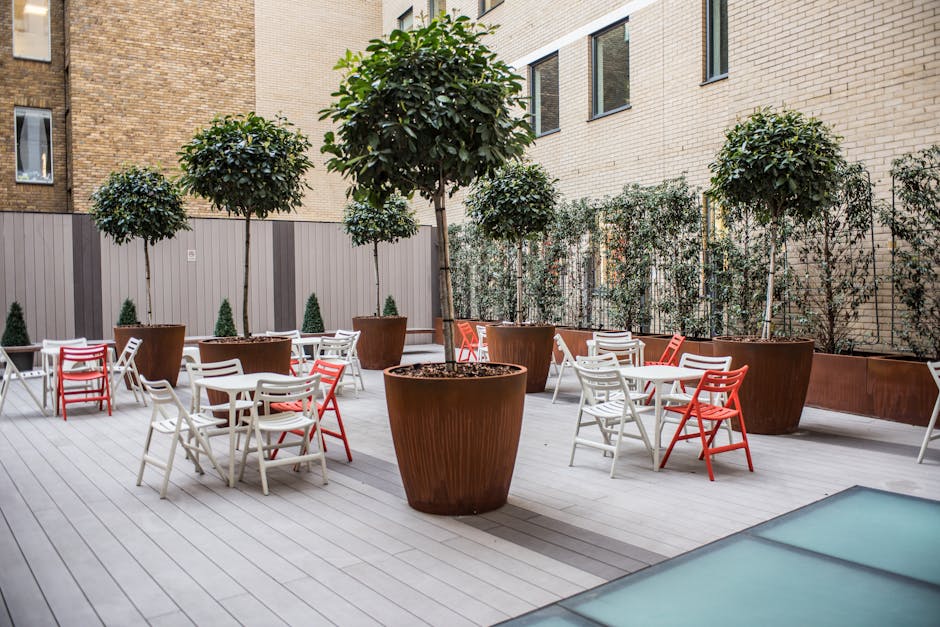
Imagine a small rear courtyard near Tooting Market: brick walls on two sides, a narrow paved strip, a tired planter, and a corner that never seems to get enough light. The owner wants somewhere to sit after work, but also wants the space to feel greener and less exposed. Nothing extravagant. Just better.
The first step is usually to clear the clutter and inspect what is actually usable. In this kind of space, old containers, dead stems, and build-up on the paving can make the garden feel smaller than it is. Once cleared, the layout becomes easier to read. The eye can breathe a bit.
Next comes structure. A compact bench or folding seat goes in a sensible position, ideally where it catches the best light. Screening is added to one side, perhaps using climbers or a layered planting approach. On the ground, the gardener may use low-maintenance planting or a handful of well-placed containers rather than trying to plant every spare inch.
Then the details: fresh compost, mulch, and a few plants chosen for the conditions. In a courtyard like this, an evergreen backbone is helpful, with seasonal colour added through containers. If the wall is bare and dark, a climbing plant can soften it. If the paving is slippery, a proper clean makes the whole place feel less tired.
The end result is not a show garden. That would be the wrong goal. It is something more useful: a private, tidy, pleasant outdoor room that works on a wet Tuesday and on a sunny Saturday. That, honestly, is what most people actually want.
For a deeper look at how comfort features can change a small garden, garden seating ideas can help, while zen-inspired garden planning offers a calmer design direction if that suits the space.
Practical Checklist
Use this before you brief a gardener or start planning the work yourself.
- Identify the garden's main job: relaxing, privacy, entertaining, growing, or all-round use
- Measure the space carefully, including awkward access points
- Note sun, shade, and wind exposure through the day
- Check drainage after rain if possible
- Decide what needs to stay and what can be removed
- Choose at least one evergreen element for year-round structure
- Leave room for movement and seating
- Pick plants that suit the actual conditions, not just the look you want
- Plan for maintenance, even if it is only seasonal
- Ask for clarity on materials, waste removal, and aftercare
- Consider whether fencing, decking, or patio work should be included
- Make sure the finished garden will look good from inside the house too
A quick checklist like this sounds simple, but it saves a lot of backtracking later. And in small gardens, backtracking is expensive in both money and mood.
Get a free quote today and see how much you can save.
Conclusion
Terraces and courtyard gardens around Tooting Market deserve more than generic treatment. They are compact, yes, but they are also full of potential. With the right planning, a tight outdoor space can become private, practical, and genuinely pleasant to use in everyday life.
The best gardeners for these spaces do not just plant things. They solve problems. They work with light, shade, access, boundaries, and maintenance needs. They make the space feel calmer without stripping away character. That is the sweet spot.
If your garden feels stuck, tired, or a bit too much to manage on your own, start with a clear idea of what the space needs most. Then build from there, one sensible step at a time. Small spaces reward patience. They really do.
And when it comes together, you notice it in the ordinary moments: the view from the kitchen, the smell after rain, the quiet seat at the end of the day. That is the good stuff.
Frequently Asked Questions
What makes terrace and courtyard gardening different from regular garden care?
These spaces are usually smaller, more enclosed, and more exposed to urban conditions such as shade, reflected heat, and wind. That means design and maintenance need to be more precise.
Can a small courtyard garden still feel private?
Yes. Privacy can come from climbers, layered planting, screening, and careful layout. Even a modest garden can feel secluded if the boundaries are handled well.
What plants work best in Tooting terraces and courtyards?
It depends on light and exposure, but resilient evergreen structure, container plants, climbers, and compact seasonal planting are often strong choices. The conditions matter more than the trend.
How often does a courtyard garden need maintenance?
That varies, but many small urban gardens benefit from light regular care rather than occasional heavy work. A monthly or seasonal routine often keeps things under control.
Is container gardening a good idea for terraces?
Very often, yes. Containers are flexible, ideal for poor soil, and easy to update. They are especially useful where the ground layout is fixed or limited.
What should I do if my garden is overgrown with ivy?
Do not rush it. Ivy can need a careful, long-term removal strategy so you do not damage nearby surfaces or simply cause it to return. Plan the removal properly and treat the roots, not just the visible growth.
Can a gardener help with both planting and hard landscaping?
Often, yes. Many projects benefit from combining planting with patio, decking, fencing, or layout improvements so the whole space works as one design.
How do I make a courtyard garden look bigger?
Use repetition, keep pathways clear, avoid overfilling the space, and add vertical interest. Softer boundaries and lighter paving can also help the eye move more freely.
What if the garden gets very little sunlight?
Shady courtyards can still look excellent. The key is choosing plants suited to low light and using structure, texture, and evergreen elements so the garden does not fade away visually.
Do I need professional help if I only want a tidy-up?
Not always, but if the space is awkward, neglected, or hard to keep on top of, professional help can save time and prevent recurring problems. A tidy-up can also reveal what the garden actually needs next.
Are there safety or insurance considerations when hiring a gardener?
Yes. It is sensible to check insurance and safety arrangements, especially where access is tight, tools are used, or work happens close to shared boundaries. Good providers are usually happy to explain this.
How do I request a quote for a terrace or courtyard garden?
Start by sharing the garden's size, condition, access details, and the outcome you want. Photos help, but a clear description helps even more. If you are ready to discuss a project, the easiest next step is to get in touch and outline what you need.